

The flow of children’s IP is becoming multidirectional. Japan, Korea, China and Southeast Asia are reshaping how stories are created, financed and exported.
Slug: asia-changing-global-kids-media-market
Tags: Asia, Japan, South Korea, China, Southeast Asia, Anime, Manga, Webtoon, Children’s Publishing, Licensing, Global Rights
The global kids media business is becoming multipolar. For decades, the dominant international flow was easy to describe: major U.S. and European properties travelled outward. Today, Japan, South Korea, China and Southeast Asia are changing not only what global audiences consume, but also how IP is created, tested, distributed and monetized.
Japan: the evergreen IP model
Japan demonstrates how characters can move across manga, animation, games, music, merchandise and experiences for decades. The Association of Japanese Animations reports a broad anime market measured in the trillions of yen, with overseas business now accounting for more than half of the total. The lesson is not simply that anime exports well. It is that integrated IP ecosystems can create value far beyond production revenue.
South Korea: the digital IP model
Korea’s webtoon economy offers a different model. Mobile-native serialized storytelling allows creators and platforms to observe audience behaviour before expensive screen adaptation. Successful webtoons can move into television, film, animation and games with an existing community already attached to the source material.
China: scale, publishing and rights
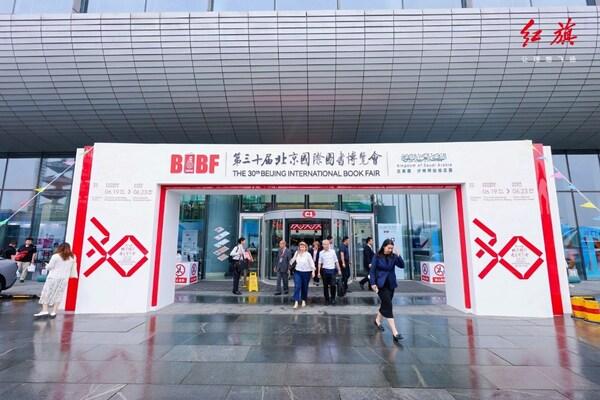
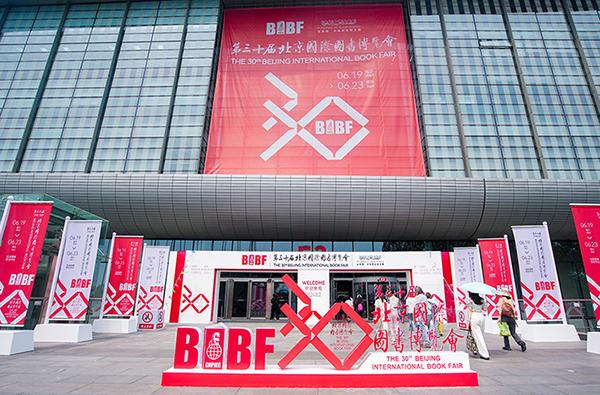
China remains one of the world’s largest publishing and consumer markets. International children’s publishing events increasingly connect rights trading with licensing and brand development. For global publishers, China is simultaneously a rights market, production market and source of original IP.
Southeast Asia: the emerging audience model
Southeast Asia combines young populations, high mobile usage and rapidly developing digital entertainment markets. It is likely to become increasingly important both as an audience region and as a source of creators and local IP.
A multidirectional map
The new flow looks less like West → World and more like US ↔ Europe ↔ Japan ↔ Korea ↔ China ↔ Latin America ↔ Southeast Asia. This means international strategy can no longer be treated simply as export sales. It increasingly influences development itself.
KMN Outlook
For kids media companies, Asia should be understood not merely as territory. It is a source of production models, platform innovation, audience behaviour and IP. The companies that build meaningful relationships across these markets early will have a stronger view of where the next global properties may emerge.
Sources
Association of Japanese Animations — Anime Industry Data
ARTICLE | PUBLISHING / BUSINESS
Informazioni sull'autore